
When tickets for Taylor Swift’s Eras Tour went on sale, millions of fans refreshed their browsers at the same time. Within minutes, entire sections were sold out. Many genuine buyers never even saw an available seat. What followed was frustration, public backlash, and a familiar question. How can tickets disappear this fast
Behind these “sold out in seconds” moments, there is often an invisible player. Ticket bots. Ticket bots are not a new phenomenon, but they have evolved rapidly. Today, they represent one of the most persistent challenges facing ticketing platforms, event organizers, and marketplaces worldwide.
This article explains what ticket bots are, how they operate in real-world ticketing systems, why traditional defenses struggle to stop them, and how platforms approach mitigation at scale.
What Are Ticket Bots?
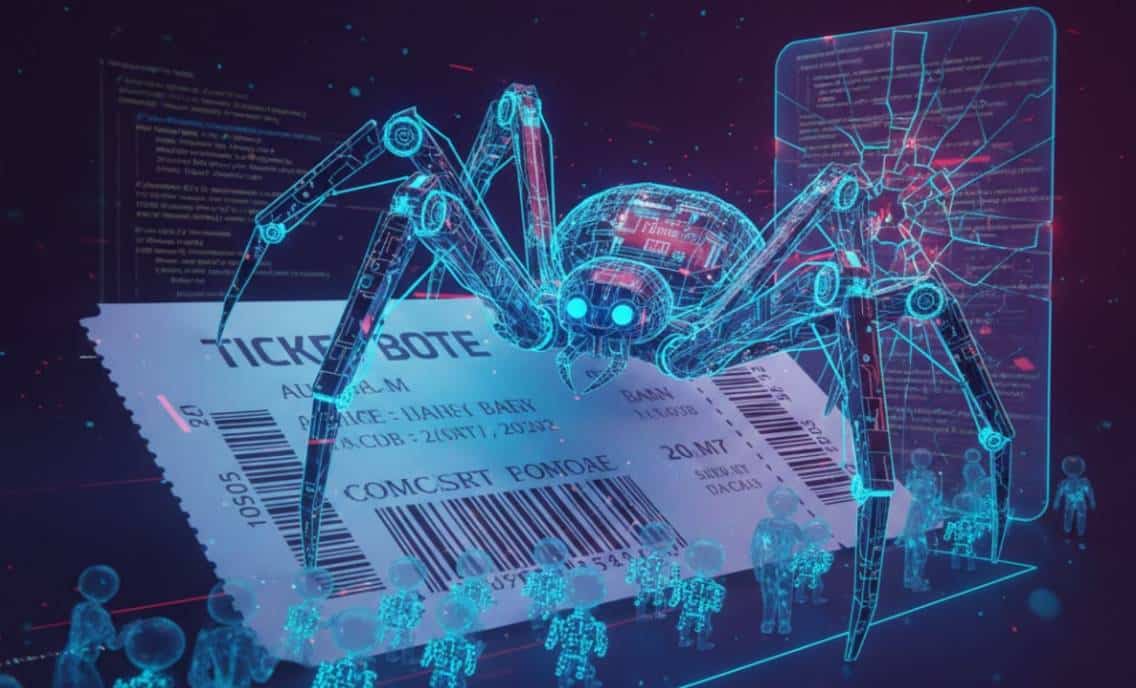
Ticket bots are automated programs designed to purchase tickets faster and at larger volumes than human buyers. Their primary purpose is to secure high-demand tickets the moment sales open and resell them on secondary markets, often at significantly higher prices.
These bots thrive in scenarios where demand far exceeds supply, such as major concerts, sports championships, and popular theater shows. Platforms like Ticketmaster, which process millions of users during peak ticket releases, are frequent targets.
The presence of ticket bots affects more than just individual fans. Platforms face distorted demand signals, unfair inventory allocation, and growing dissatisfaction among legitimate customers.
How Ticket Bots Work in Practice
Modern ticket bots are complex systems rather than simple scripts. Their operation typically involves three stages:
- Account Preparation: Before tickets are released, bot operators prepare the environment. This often involves creating large volumes of accounts or taking over existing ones to bypass per-user purchase limits. Techniques such as credential stuffing and credential cracking are commonly used to gain access to legitimate-looking accounts at scale.
- Automated Actions During the Sale: Once ticket sales open, automation becomes critical. Ticket bots refresh pages, check inventory, select seats, and submit purchase requests within milliseconds. Unlike humans, bots do not wait for visual confirmation or page rendering. They interact directly with backend endpoints or optimized request paths whenever possible. Some bots focus on scraping availability data to identify newly released seats, while others specialize in accelerating checkout. Denial-of-inventory tactics are also common, where bots add tickets to carts without completing purchases, temporarily locking inventory and reducing availability for real buyers. To avoid detection, bots distribute requests across large residential and mobile proxy networks, making each action appear to come from a different legitimate user. Advanced operators further reduce latency by placing servers geographically close to ticketing infrastructure.
- Checkout Automation: After securing tickets in the cart, advanced bots automate the final purchase steps. They rotate identities, billing profiles, and payment methods to complete transactions without triggering fraud controls. In some cases, stolen payment information or synthetic profiles are used to further evade detection. By the time human buyers reach checkout, inventory has often already been captured or temporarily blocked by automated systems.

During high-profile events, these flows can run in parallel thousands of times, effectively monopolizing ticket inventory within seconds.
Why Ticket Bots Are Increasingly Difficult to Detect
In the past, identifying ticket bots was straightforward. High request volumes, repeated IP addresses, and predictable patterns made detection simple. Today, bots are more sophisticated:
- Residential and Mobile Proxies: Bots can appear to come from real households and mobile devices, bypassing IP-based filters.
- Advanced Browser Automation: Full and headless browsers execute JavaScript and render pages like real users.
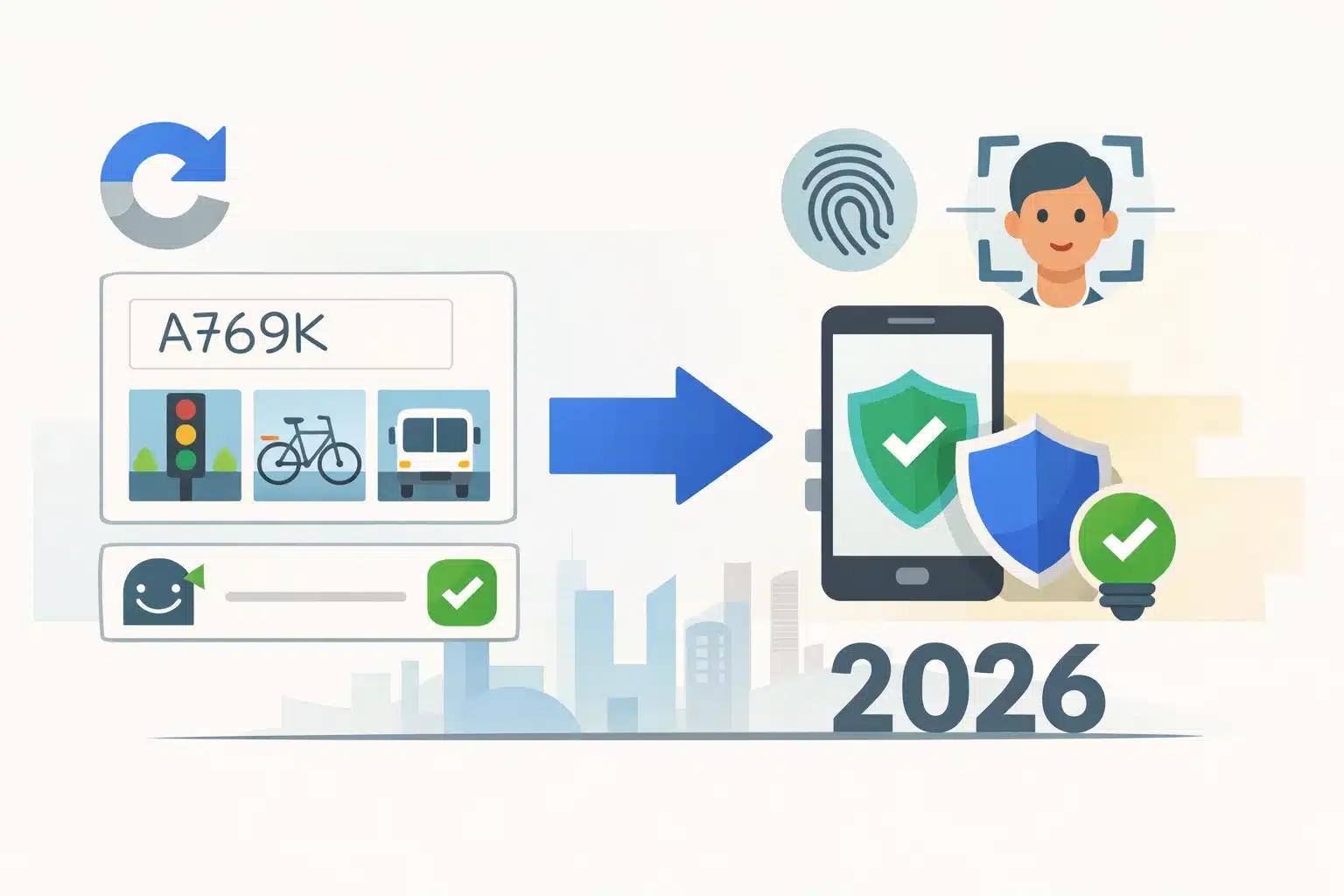
- CAPTCHA Bypassing: Some bots use advanced solving services or adaptive techniques to bypass verification challenges.
- Human-like Behavior: Modern bots replicate mouse movements, scrolling, and navigation timing, making them hard to distinguish from legitimate users.
As a result, single-signal detection is no longer sufficient. Bots blend into normal traffic, evading traditional defenses.
The Negative Impact of Ticket Bots
The Impact on Consumers
Ticket bots primarily harm fans by creating artificial scarcity and driving up costs.
- Inflated Prices: Bots snatch tickets instantly upon release, forcing fans to buy from resellers at multiples of face value. This turns affordable events into luxury experiences, with fans often paying 5–10 times the original price.
| Event | Primary Market (Face Value Approx.) | Secondary Market (Resale Approx.) | Markup Factor | Notes |
| Oasis Reunion Tour (UK Dates) | £135–£355 | £1,000–£10,000+ | 5–30x | Severe bot attacks and dynamic pricing led to extreme resale markups. |
| Oasis Reunion Tour (North America) | $80–$400 | $300–$2,000+ | 3–10x | Resale prices fluctuated but stayed well above face value. |
| Sabrina Carpenter Short n’ Sweet Tour | $100–$200 | $300–$1,000+ | 3–6x | Presale tickets quickly flipped at high markups on resale sites. |
| High-Demand Concerts (e.g., Bruno Mars) | $200–$300 avg | 50–100%+ higher | 2–5x | Bots and demand drove secondary prices far beyond primary averages. |
- Limited Access and Frustration: Genuine fans frequently miss out entirely, leading to widespread anger and a sense that the system is rigged. High-profile cases include:
- The Taylor Swift Eras Tour presale chaos (2022), where bot-driven demand overwhelmed servers, causing crashes and leaving millions unable to secure tickets.
- The more recent Oasis reunion tour ticket sales (2024-2025), dubbed the “British version of Taylor Swift,” which saw massive bot attacks, endless queues, site crashes, and resale prices soaring to thousands of pounds.
- Risk of Fraud: Resold tickets can be counterfeit or invalidated, leaving buyers out of pocket with no recourse.
These issues erode trust in ticketing systems and discourage attendance, as fans perceive live events as unaffordable or inaccessible.
The Impact on Artists and Venues
While a “sold-out” show sounds positive, bots actually damage the bottom line for the creators and the hosts.
- Revenue Leakage: When a ticket is resold for $500 above face value, 0% of that profit goes to the artist, the crew, or the venue. The “excess value” is entirely captured by anonymous scalpers.
- Reduced “Ancillary Spending”: If a fan spends their entire budget on an inflated ticket, they have no money left for merchandise, food, or beverages. Venues and artists rely heavily on these high-margin sales to stay profitable.
- The “Empty Seat” Phenomenon: Scalpers often buy tickets in bulk but fail to resell them all. This results in high-demand shows having visible patches of empty seats, killing the atmosphere and energy that performers rely on.
- Reputational Damage: Fans rarely blame the bot developers; they blame the artist for “letting it happen.” This forces artists into expensive PR damage control or costly “verified fan” schemes.
The Impact on Ticketing Companies
For platforms like Ticketmaster, AXS, or Eventbrite, bots represent a massive operational and legal nightmare.
- Infrastructure Strain: During major on-sales, bots account for up to 90% of site traffic. This requires companies to pay for massive server capacity that wouldn’t be necessary if only humans were shopping.
- The Technological “Arms Race”: Ticketing companies must spend millions annually on AI-driven cybersecurity to detect “residential proxies” and solve sophisticated CAPTCHAs. This is a permanent, high-cost battle against evolving bot software.
- Regulatory Scrutiny: In 2025, ticketing companies face unprecedented pressure from governments (such as the FTC in the U.S. and the CMA in the UK). They are often threatened with massive fines or antitrust lawsuits for failing to prevent bot activity.
- Customer Service Burden: Bots lead to a surge in support tickets regarding locked accounts, failed transactions, and frustrated users, significantly increasing the operational overhead for help centers.
Legal and Regulatory Efforts Against Ticket Bots
As ticket bots continue to distort access to live events, governments have stepped up regulatory efforts. By 2026, multiple regions have moved beyond symbolic bans toward clearer definitions, higher penalties, and stronger enforcement mechanisms. While legislation alone cannot eliminate bots, these laws establish an important legal baseline and increase pressure on platforms to deploy effective technical defenses.
| Region/Country | Key Legislation | Year Enacted | Main Provisions | Recent Developments & Enforcement Status |
| United States | Better Online Ticket Sales (BOTS) Act | 2016 | Prohibits using software to bypass purchase limits, security measures, or bulk-buy tickets. | Intensified FTC enforcement with lawsuits against brokers and platforms (e.g., Ticketmaster); new state laws like Michigan’s “Taylor Swift bills” (Dec 2025) with fines up to $5,000 per violation. Enforcement improving but resource-limited. |
| United Kingdom | Digital Markets, Competition and Consumers Act & earlier bot bans | 2017 (initial), major updates 2025 | Bans bots exceeding limits; requires resale transparency; restricts resale above face value + fees. | 2025 announcement of full resale-above-face-value ban (effective 2026) to eliminate scalper profits. Growing momentum despite historical enforcement challenges. |
| European Union | Unfair Commercial Practices Directive & national implementations | 2022 (EU-wide bot ban) | Illegal to use bots to circumvent technical controls for fair access; member states enforce nationally. | Ongoing national strengthening and broader consumer protection reviews (e.g., Digital Fairness Act preparations). Enforcement varies by country. |
| Canada | Provincial Ticket Sales Acts (no federal law) | Varies (e.g., Ontario 2018, Quebec ongoing) | Provincial bans on bot use; some restrict resale markups or invalidate bot-purchased tickets. | Quebec maintains price caps; Ontario repealed 50% markup limit in 2019 but 2025 proposals seek reinstatement and stronger anti-bot measures. Enforcement primarily provincial and inconsistent. |
Technology-Driven Defense Strategies to Stop Ticket Bots
As ticket bots continue to evolve, effective defense has shifted away from single-point controls toward layered, behavior-driven strategies. Modern ticketing platforms increasingly rely on a combination of traffic analysis, identity signals, and adaptive friction to protect high-demand on-sale events.
1. Behavior-Based Bot Detection
Speed alone is no longer a reliable signal. Advanced defenses focus on behavioral consistency across sessions, devices, and interaction patterns. This includes analyzing mouse movement entropy, touch behavior on mobile, request timing, and navigation flow. Bots may mimic individual actions, but they struggle to reproduce long-term behavioral coherence at scale. This approach allows platforms to identify automation without blocking legitimate users during peak demand.

2. Device and Environment Fingerprinting
To counter IP rotation and proxy networks, platforms correlate signals beyond network identity. Device fingerprinting evaluates browser attributes, execution environments, and client-side capabilities to detect repeat automation even when IP addresses change. When used responsibly, fingerprinting does not identify individuals, but rather detects synthetic or manipulated environments commonly used by ticket bots.
3. Adaptive Challenges and Progressive Friction
Static CAPTCHA challenges are increasingly ineffective against modern bots. Instead, platforms deploy progressive challenges that escalate only when risk signals appear. Low-risk users may pass with no visible friction, while suspicious sessions are gradually subjected to JavaScript execution checks, behavioral validation, or interactive challenges. This preserves conversion while slowing down automated abuse.

4. Queue and Rate Control at the Infrastructure Layer
Virtual waiting rooms and dynamic rate limiting help neutralize bots’ speed advantage. By randomizing access and controlling request velocity at the edge, platforms reduce the impact of millisecond-level automation while maintaining fairness for human users. This layer is especially critical during on-sale spikes, where volume itself becomes an attack vector.
5. Cross-Layer Correlation and Real-Time Response
No single signal is sufficient on its own. Effective mitigation depends on correlating data across layers: network, device, behavior, and transaction outcomes. Real-time risk scoring enables platforms to block, challenge, or delay sessions dynamically. This adaptive model is essential in environments where attackers continuously test defenses during live sales.
Conclusion
Ticket bots are not simply a nuisance or a public relations issue. They represent a systemic threat to the integrity of modern ticketing ecosystems. As outlined above, today’s ticket bots operate as distributed, highly adaptive systems. By combining speed, automation, residential infrastructure, and identity manipulation, they overwhelm traditional defenses at scale. The consequences extend far beyond frustrated fans, including distorted demand signals, revenue loss for artists and venues, increased operational costs for platforms, and growing regulatory scrutiny worldwide.
Crucially, this challenge cannot be addressed through legislation or isolated controls alone. Static CAPTCHAs, IP blocking, and manual purchase limits were designed for a very different threat landscape. In a high-demand, automation-driven environment, effective mitigation depends on long-term behavioral analysis, cross-session and cross-device correlation, and adaptive friction applied only when risk is present.
For ticketing platforms, the objective is not to eliminate bots entirely, but to remove their economic advantage. When automation can no longer move faster, scale cheaper, or blend in more effectively than real users, the incentive to deploy ticket bots begins to collapse.
In an era where live events are cultural moments and access is part of the experience, protecting fairness at the point of sale is no longer optional. It is a core trust responsibility for every platform that connects fans to events.
Learn how GeeTest helps ticketing platforms protect fair access during high-demand ticket sales.